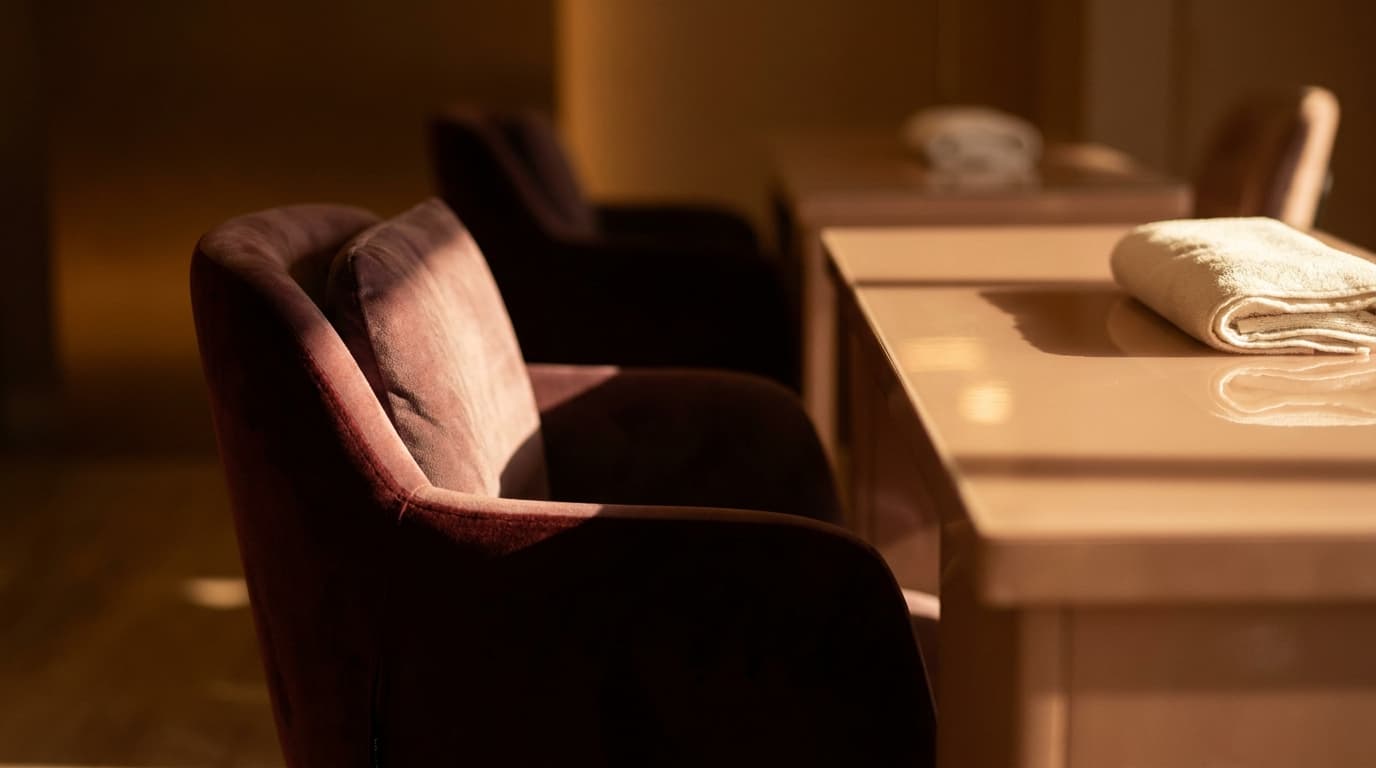
Empty Chairs at 2pm? How to Fix the Slow-Hour Bleed at Your Nail Salon
Your salon is packed on Saturday. Booked solid Friday evening. But Tuesday at 2pm? Crickets. Two techs scrolling their phones. One chair sitting empty for the third day in a row. That quiet stretch between lunch and school pickup is quietly costing you more than you realize.
Most nail salon owners treat slow hours as a fact of life. They aren't. They're a scheduling and marketing problem you can actually solve — without discounting your brand into the ground or working longer hours.
The Real Cost of a Slow Afternoon
Let's do quick math. A manicure station sitting empty from 12pm to 3pm, three days a week, at an average ticket of $35 — that's roughly $105 in lost revenue per empty chair, per week. Over a month? Around $420 per chair. Multiply that across two or three underused stations and you're looking at real money quietly walking out the door.
The frustrating part: your overhead doesn't drop when the chairs are empty. Rent, utilities, and tech wages (for hourly staff) keep running whether polish is being applied or not.
An empty chair isn't neutral. It's actively costing you money every hour it stays empty.
Why Slow Hours Happen (It's Not Random)
Slow patches follow patterns. Once you see them, you can plan around them:
- The mid-week lunch dip: Tuesday through Thursday, roughly 11am to 2pm. Regular clients are at work; kids aren't out of school yet.
- The early-week hangover: Monday mornings after a busy weekend. Everyone got their nails done Saturday.
- The seasonal lull: Mid-January, late August, and the first two weeks of September, when spending contracts and travel spikes.
- The end-of-month pinch: The last few days before payday, when discretionary spending drops for many clients.
Once you know when the gaps are, you can stop being surprised by them and start filling them on purpose.
Fix 1: Turn Slow Hours Into "Off-Peak Perks"
Straight discounts feel desperate and train clients to wait for a deal. Off-peak perks feel premium and generous. Same result, different framing.
Here's the difference: instead of "20% off Tuesdays," try "Tuesday Treat Hour — a free paraffin dip or hand massage upgrade with any manicure booked between 12pm and 3pm." You're not lowering the ticket. You're adding perceived value during the exact hours you were losing money.
A few off-peak perks that work well:
- Free polish change with a pedicure booked before 2pm on weekdays
- Complimentary hand massage upgrade during "Slow-Hour Happy Hour"
- A loyalty double-points window between 11am and 3pm on Tuesdays and Wednesdays
- A "bring a friend" bonus service credit for mid-week midday bookings
Fix 2: Target the Right Clients With the Right Message
Blasting your whole SMS list with a Tuesday promo is a great way to fill Tuesday and annoy your Saturday regulars. Segment instead.
Look at your client list and pull out:
- Retired clients or clients over 55 (often flexible mid-day)
- Stay-at-home parents (school-hour appointments are gold)
- Remote workers and freelancers (lunch breaks are wide open)
- Clients whose last visit was more than 8 weeks ago (a win-back opportunity)
Send those segments a targeted text: "Hi Sofia — we've got a quiet Tuesday afternoon and we're saving a spot just for you. Free polish upgrade if you book before Sunday." That's a nine-times better response rate than a mass blast, without cheapening your brand.
Fix 3: Use Your Booking Data to Predict Gaps
Most salon owners react to slow hours after they happen. The better move is spotting them a week out.
If your booking system tracks appointment density by hour and day, open that report every Sunday night. Look at the next 7 days. Any hour with fewer than 40% of chairs booked is a target for a promo push. Any hour under 20% is an emergency — send a targeted offer that day.
You can't fill hours you don't know are empty. Weekly visibility into your schedule is the single biggest lever for fixing slow-hour bleed.
Salon platforms like EasySalon show you exactly which time slots and which techs are underbooked, so you can act before the week starts, not after.
Fix 4: Give Your Techs a Reason to Care About Slow Hours
Here's a hidden angle: if your techs work on commission, they hate slow hours as much as you do. Turn them into partners.
Tell your team: "Any client you personally text and book into a Tuesday or Wednesday midday slot earns you a bonus $5 tip credit on top of your normal split." Now every tech has a reason to reach out to their own regulars and pull them into the quiet hours.
Techs know their clients better than any marketing campaign ever will. Let them use that.
Fix 5: Fill Slow Hours With Services, Not Just Discounts
Slow afternoons are also a great window for services that don't fit into the packed weekend rush. Think:
- Longer nail art appointments that require focus and time
- Full-set acrylic applications for new clients
- Group bookings for bachelorette parties, birthdays, or bridal previews
- Training or shadowing sessions for a newer tech
Position your slow hours as "premium time" — quieter, more attentive, more space for detailed work. That reframes empty chairs from a weakness into a selling point.
The Bottom Line
Slow hours aren't a fact of nail-salon life. They're a signal that your calendar has room, your marketing has gaps, and your team has capacity. Every empty chair between 11am and 3pm is either lost revenue or an opportunity — and the difference between the two is whether you have a plan.
Start with one slow window this week. Identify it, target one segment, offer one perk, and track the result. Do that for four weeks and you'll have a repeatable system that turns your quietest hours into some of your steadiest revenue.
Want to see exactly which hours and which techs are underbooked at your salon? Start your free EasySalon trial and get scheduling visibility that pays for itself the first week you use it.